How 180-Year-Old British Manufacturing is Turning Composite Waste into High-Value Materials

Published:
25 Feb 2026
As industries from aviation to automotive race to cut carbon emissions, lightweight composite materials have become essential. But while their use has grown rapidly, recycling them has remained one of manufacturing’s hardest sustainability challenges.

A British Manufacturer Finds a Way Forward

A British manufacturer founded almost two centuries ago believes it has found a way forward.
James Cropper, a UK‑based materials company established in 1845, has developed a new manufacturing approach that allows high‑value composite fibres, including carbon fibre waste, to be reused in demanding industrial applications rather than being downcycled or discarded.
Still operating from its historic mill site in Cumbria, James Cropper has spent generations working with fibres. That long industrial heritage has now been applied to one of the most complex waste streams facing modern manufacturing.
Composite materials are prized for their strength and light weight, making them central to aircraft, electric vehicles, and renewable energy technologies. Yet their complexity makes them difficult to recycle, and much composite waste today ends up in low‑value uses or landfill.
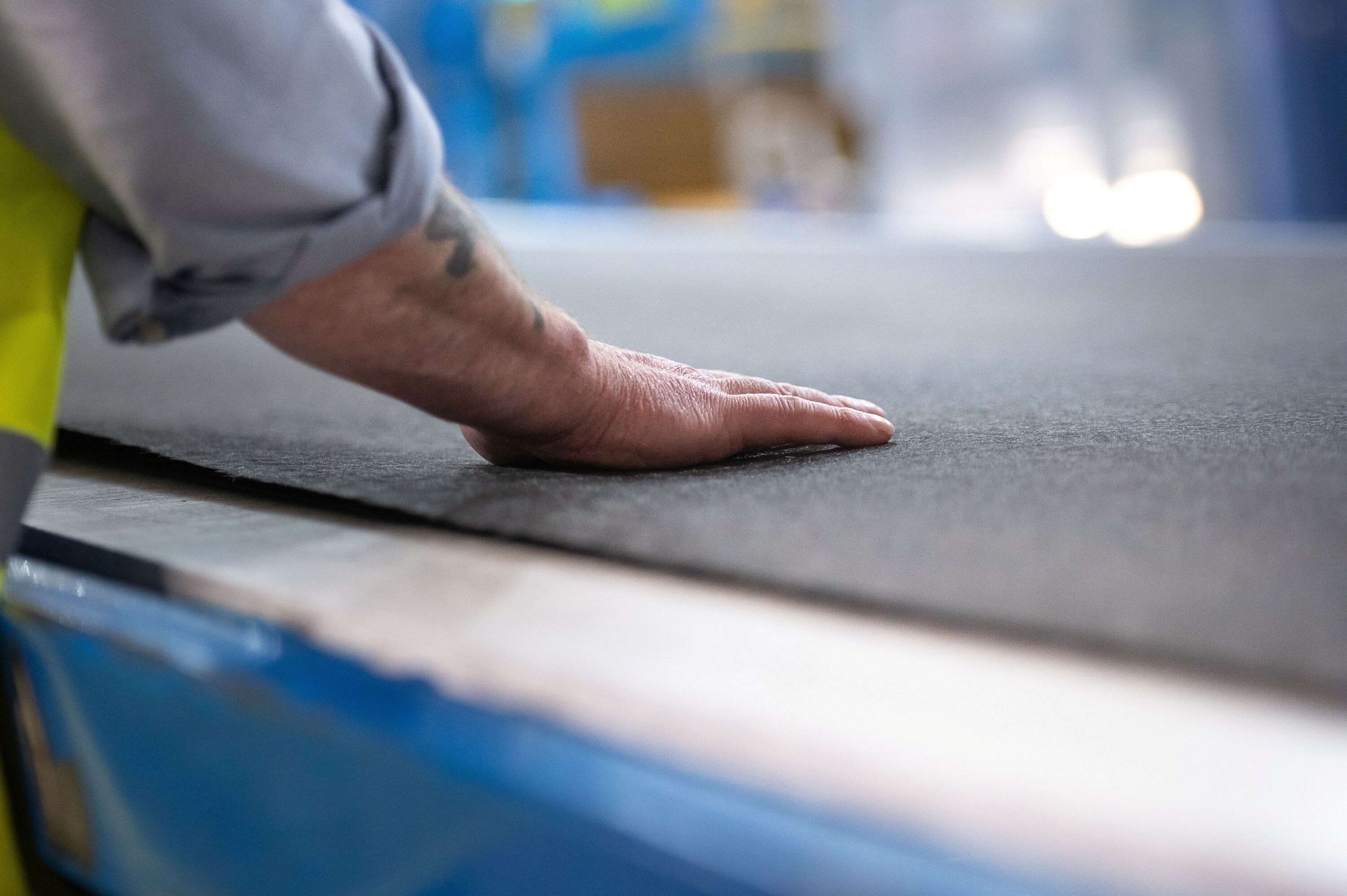
James Cropper’s solution focuses on keeping value in the system.

VECTIS Technology and UNIMAT

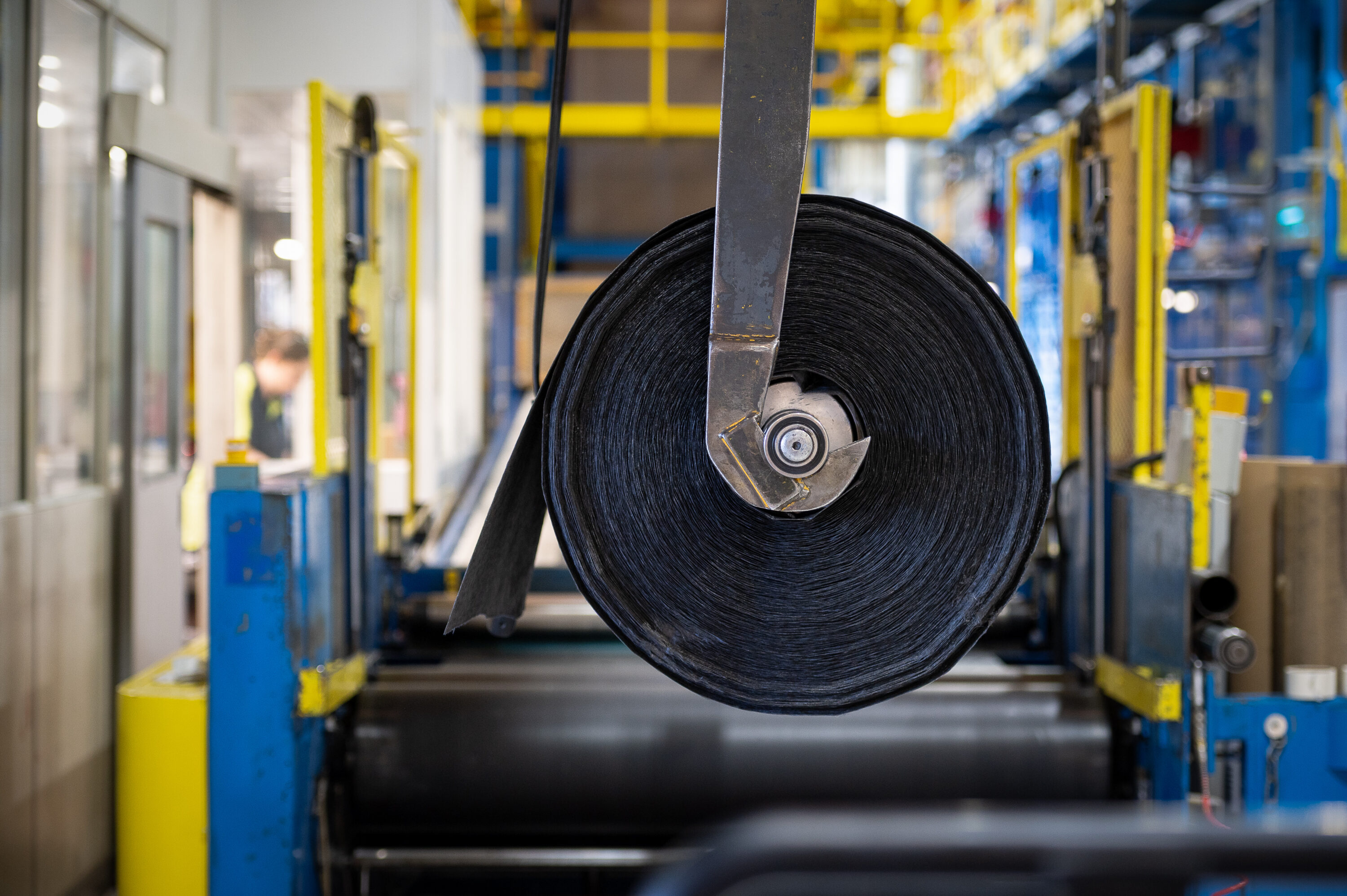
Using its proprietary VECTIS technology platform, James Cropper produces UNIMAT, a dry fibre material that allows recycled carbon fibre to be reused in high‑performance manufacturing processes already used across industry.
Rather than creating entirely new production routes, the approach is designed by James Cropper to fit into existing manufacturing infrastructure. That makes it commercially viable at scale, a factor often missing from recycling innovations.
James Cropper is contributing to the European Composites Circular Alliance, an initiative that brings together manufacturers, material suppliers and recyclers to address composite waste across sectors such as aerospace and automotive.
“ For sustainability to work, it has to make economic sense. Our focus has been on creating a solution that manufacturers can actually adopt at scale, using the processes they already rely on. That is how recycling moves from good intention to real impact. ”
Rob Musgrove
US President and Global Commercial Director, James Cropper
“ Addressing composite waste requires collaboration across the value chain. Initiatives such as ECCA are important because they align manufacturers, material suppliers and recyclers around practical, scalable solutions. Circularity has to be engineered into materials and processes from the outset. ”
Dr. Mandy Clement
Innovation Director, James Cropper
James Cropper’s evolution from paper manufacturing into advanced materials reflects a wider story about UK industry adapting to new global demands.

A Legacy of Adaptation

While James Cropper is rooted in the Lake District, it supplies customers worldwide and operates internationally, including in the United States.
The location itself has shaped James Cropper’s approach. Its Cumbria site sits beside the River Kent, and water has powered its manufacturing processes for generations.
That connection to natural resources has influenced a long-standing focus on efficiency, stewardship, and responsible production.
As governments and industries look to reduce waste and strengthen domestic manufacturing capability, examples of established UK companies adapting their expertise to modern challenges are increasingly in focus.
For James Cropper, the move into sustainable materials for advanced composites is not a break from tradition but a continuation of it.
“ This company has survived and grown for nearly 180 years by adapting. Applying our fibre expertise to one of today’s biggest sustainability challenges is simply the next chapter. ”
Rob Musgrove
US President and Global Commercial Director, James Cropper
A breakthrough shaped by 180 years of fibre expertise.

See How VECTIS™ Brings Order to Fibre Complexity

Watch the story behind a breakthrough shaped by generations of fibre expertise. The film explores the engineering challenges driving the need for greater fibre alignment, the increasing material complexity facing industry, and the moment this insight led to VECTIS™, the technology bringing order, consistency and high‑value performance to aligned nonwovens at industrial scale.